Paragliders to progress : which materials to choose ?

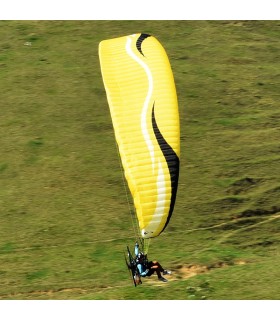
Paragliding is an aerial sport that combines passion, emotion and freedom. When we think of flying, we instinctively think of taking off, landing or flying through the air, but one of the most important things is the glider. It's the main piece of equipment that determines flight quality, safety and piloting. So, if you want to progress in free flight, the choice of your equipment is essential. In this article, we'll explore the different categories of paraglider and the accessories that are essential for optimal piloting.

PARAGLIDER EN A FOR BEGINNERS

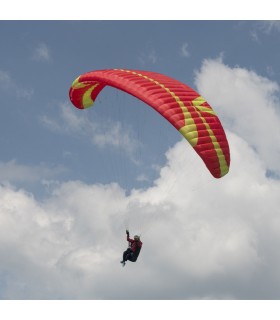
The choice of a paraglider for beginners is crucial. EN A-rated paraglider are ideal for beginners and their first flights. A major feature of these wings is their passive safety. This type of glider offers great stability even in less stable weather and aerological conditions, reducing the risks in flight and enabling uncomplicated flying.
  • Paraglider area : Paraglider area largely determines performance and handling. EN A gliders generally have a rather large surface area, suitable for beginners. The aim is to make the glider easier to hand, so that the pilot can learn the basics of flying safely. What's more, a large surface area makes for a wing with more damped reactions. Combined with low aspect ratio, this makes the wing more tolerant of piloting errors.

  • Price : Like all equipment, the price of a glider varies according to its brand, options and characteristics. However, for a second-hand paraglider, you can benefit from low prices without compromising safety.
  • Recommended models : The Gin Bolero, Skywalk Mescal, Eona Supair or Niviuk Koyot paragliders are excellent choices for beginners. Their design facilitates piloting and offers steady progress, making them ideal for beginner pilots.

PARAGLIDER EN B TO PROGRESS

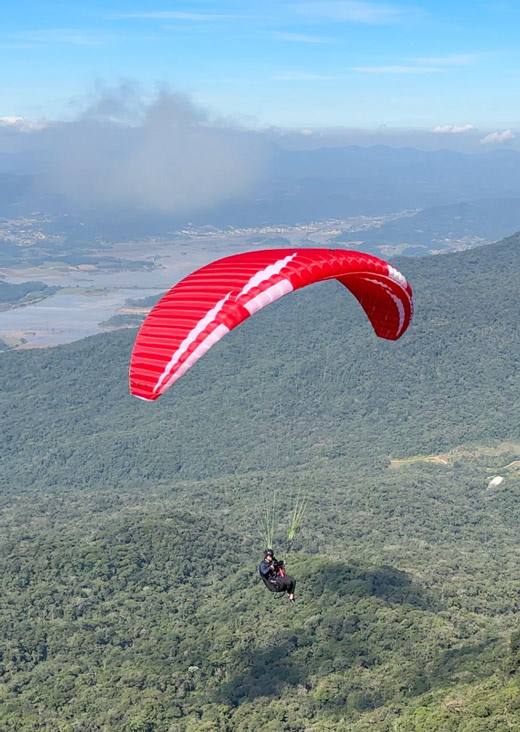
Once you've acquired the basics with an EN A glider, you can consider switching to a new progression glider : EN B wings. These paragliders combine safety and moderate performance, enabling remarkable progress. There are two EN B wing classes :

  • EN B Low paraglider, a real gateway for pilots, these wings have a low aspect ratio (generally 5.4 and below) and are geared towards the search for sensation in thermals, and higher performance than EN A glider. What's more, they offer a more pleasant flying sensation than EN A.
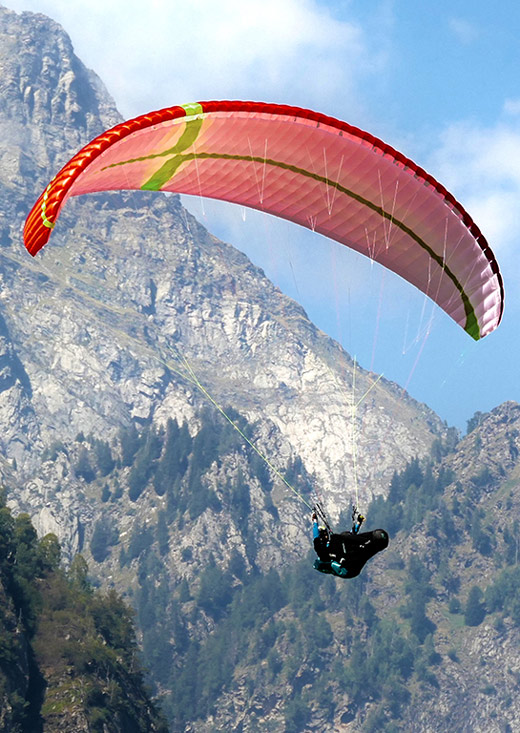
  • Performance-oriented EN B High paraglider, with aspect ratios ranging from 5.5 to 6.1, begin to require advanced piloting to take full advantage of the wing's performance. This is the ideal style of wing to get your first foot in the door of an EN C glider. This style of paragliders offers more interesting performance for pilots who are beginning to consider long-distance flying, and the handling starts to become more refined.

Harnesses

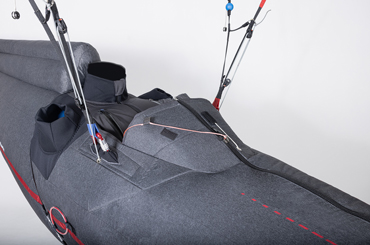
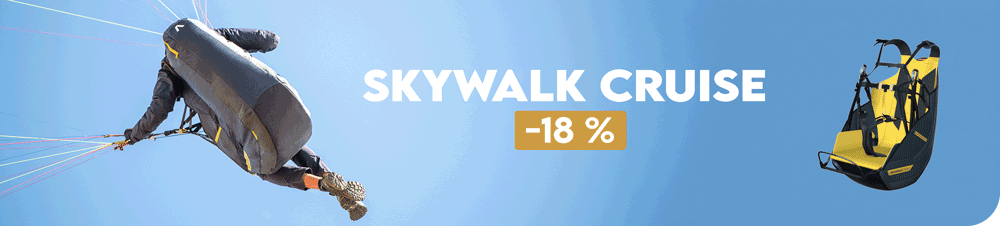
The harness is the equipment in which the pilot sits during flight. Harnesses vary in terms of piloting position, safety options and comfort. The choice of harness is as crucial as the choice of glider.

Rescue parachute

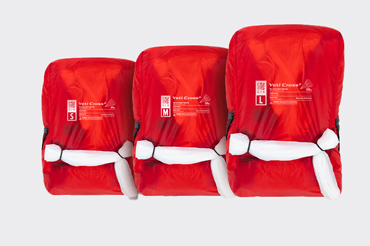
 Safety must always be a priority. Having a rescue parachute is a very important element for any pilot wanting maximum safety in flight. Once again, choosing the right rescue parachute requires asking the right questions, to make sure you have the right equipment.

Others equipments

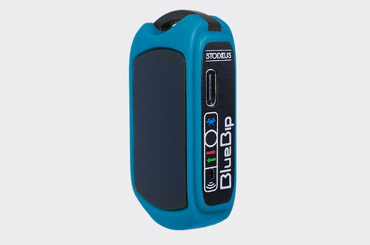
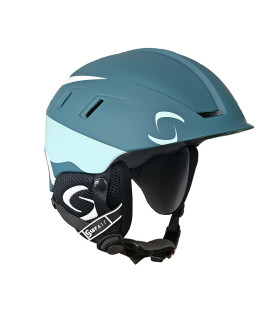
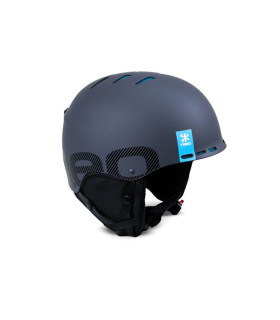
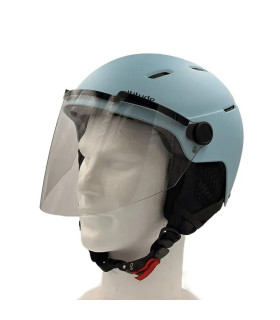
Helmets, gloves, radios and flight instruments are also essential for safety and performance. Some of these accessories are indispensable, others more optional, but their usefulness can prove decisive during your flights.

In conclusion, progression in paragliding will depend on you, but also on the equipment you choose. Whether it is your paraglider, your harness or your accessories, every choice should be made carefully. It is always recommended to consult an expert or an instructor to get advice suited to your needs. So, are you ready to take off?