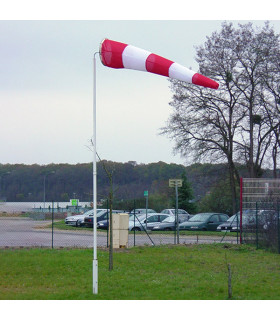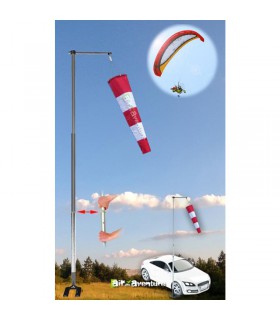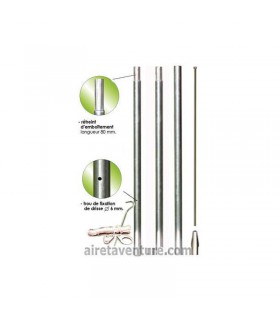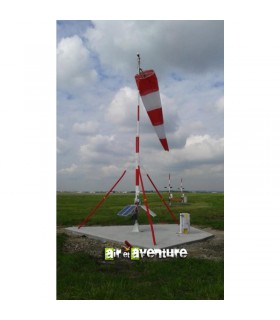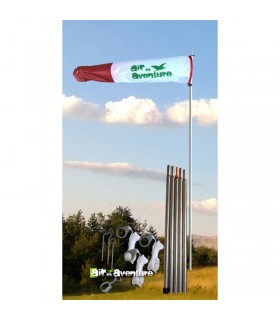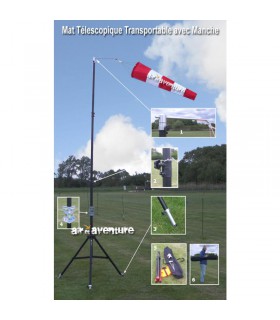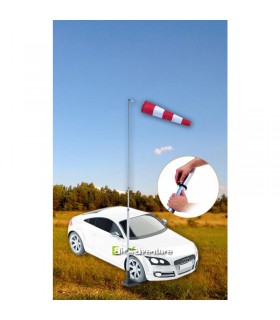











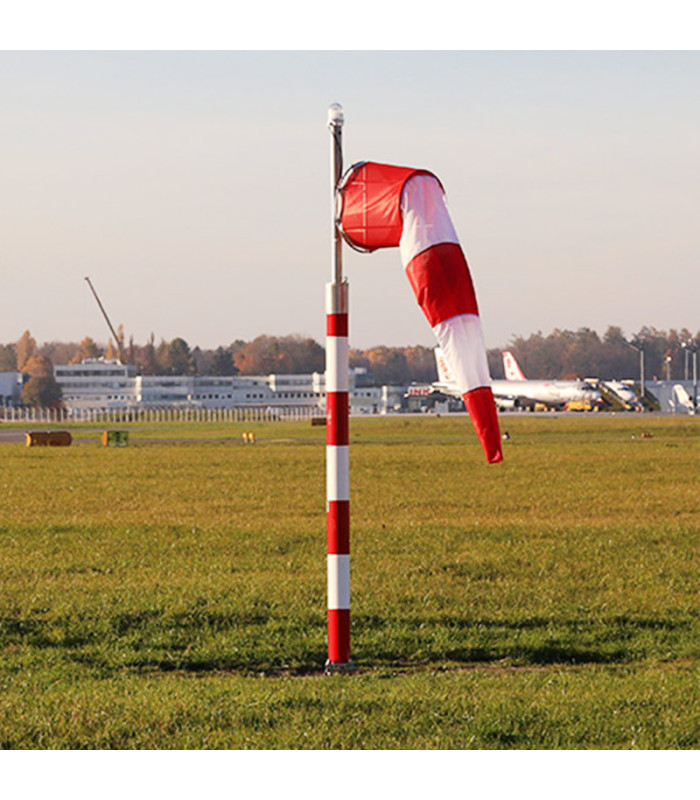





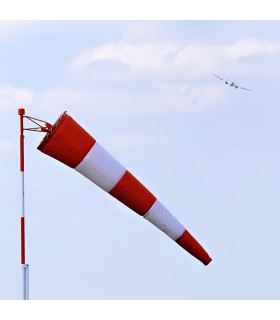
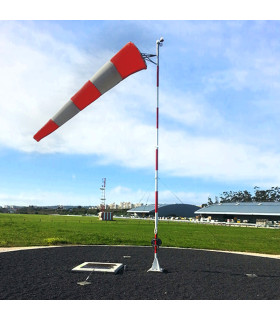

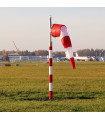
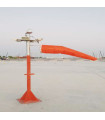
The FAA approved masts in the United States play a crucial role in aviation safety. They are designed to support a windsock used by pilots to assess wind strength and direction during landing and takeoff phases.
Height (m): 3 / 6
Color: Red and White / Orange / Yellow
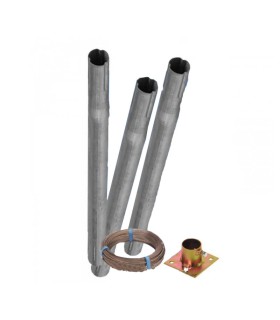
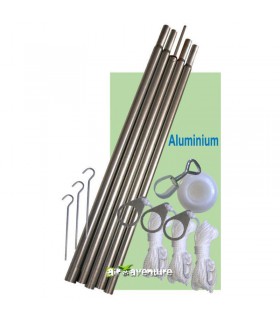
Material: Galvanized steel
Tilting: Yes
Wind vane diameter: Ø30 / Ø45 / Ø60 / Ø90 / Ø100
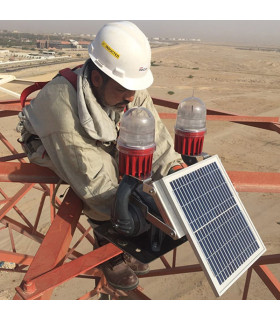
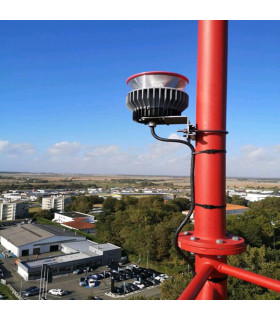
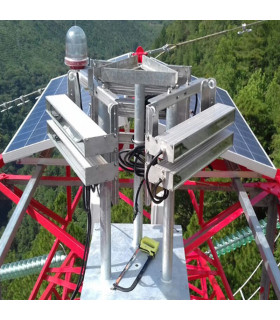
Available options: Reinforced mast / Obstacle light / External LED light (4 LEDs) / Solar power
FAA-approved masts (Federal Aviation Administration) play an indispensable role in the safety and efficiency of aviation operations in the United States. These structures are primarily used to support a variety of essential equipment such as marker lights, antennas, and more commonly, windsocks, all of which contribute to safe and efficient air navigation. Compliance with the FAA's strict standards ensures that these masts are safe for aircraft, resistant to extreme weather conditions, and reliable over the long term.
In addition to supporting necessary equipment, masts play a key role in obstacle visibility for pilots, particularly in low visibility conditions or at night, reducing the risk of collisions. They also allow pilots to estimate wind strength and direction during landing and takeoff phases. Through their presence and functionality, these masts significantly contribute to accident prevention and the continuous improvement of aviation safety.
The FAA standard, established by the Federal Aviation Administration, is a crucial regulation governing various aspects of civil aviation in the United States, including aircraft safety, aviation operations, and airport infrastructure. These guidelines ensure that all equipment and procedures follow strict standards to minimize risks and protect passengers as well as crews. The FAA also imposes stringent requirements for aircraft maintenance, pilot training, and air traffic management. In addition to regulating technical and operational aspects, the FAA standard promotes safety innovation through the adoption of new technologies and practices. Adherence to this standard is essential to maintaining public confidence in the air transport system, ensuring a safe and efficient flight experience.

Data sheet
The FAA approved masts in the United States play a crucial role in aviation safety. They are designed to support a windsock used by pilots to assess wind strength and direction during landing and takeoff phases.
Height (m): 3 / 6
Color: Red and White / Orange / Yellow
Material: Galvanized steel
Tilting: Yes
Wind vane diameter: Ø30 / Ø45 / Ø60 / Ø90 / Ø100
Available options: Reinforced mast / Obstacle light / External LED light (4 LEDs) / Solar power

 Garanties sécurité
(à modifier dans le module "Réassurance")
 Politique de livraison
(à modifier dans le module "Réassurance")
 Politique retours
(à modifier dans le module "Réassurance")